
When it comes to interior painting, selecting the right color is only half the battle. The paint finish you choose can dramatically impact both the appearance and functionality of each space in your home. As professional painters, we’ve seen countless homeowners overlook this critical decision, only to face durability issues or aesthetic disappointments down the road.
Understanding paint sheens isn’t just about aesthetics—it’s about matching the technical properties of each finish to the specific demands of different rooms. Let’s walk through how to make informed decisions that will protect your investment and keep your home looking beautiful for years to come.
Understanding Paint Finish Basics
Paint finishes range from flat (matte) to high-gloss, with each level of sheen offering distinct advantages and trade-offs. The finish affects three key factors: light reflection, durability, and cleanability. Higher sheens reflect more light, show fewer imperfections, and are easier to clean, but they also highlight wall flaws more prominently. Lower sheens hide imperfections better and provide a more sophisticated look, but they’re more challenging to maintain.
Here’s the spectrum from least to most reflective: flat (matte), eggshell, satin, semi-gloss, and high-gloss. Each has its place in a well-designed home.
Living Rooms and Dining Rooms
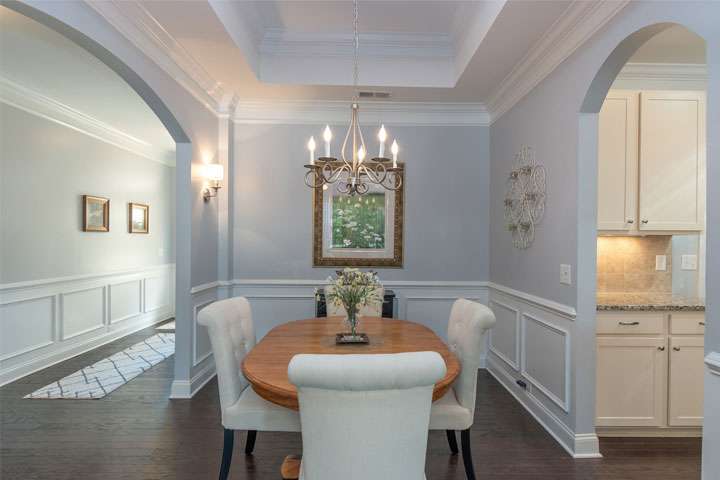
For main living spaces where you entertain guests and spend considerable family time, eggshell or satin finishes typically work best. These finishes strike an ideal balance between elegance and practicality. Eggshell provides a low luster that’s sophisticated without being flat, making it perfect for spaces where you want warmth without too much reflection. It’s also reasonably durable for moderate traffic areas.
Satin takes durability a step further while maintaining a soft, velvety appearance. This makes it particularly suitable for dining rooms where walls might encounter the occasional splash or scuff from chairs. The slight sheen catches light beautifully without creating harsh reflections, and it’s much easier to wipe clean than flat paint—an important consideration if you have children or frequently entertain.
In formal living rooms with excellent wall preparation, a flat finish can create an incredibly refined, gallery-like atmosphere. However, this choice requires commitment to maintenance, as flat paint shows marks easily and can be difficult to clean without leaving burnished spots.
Kitchens
Kitchens demand durability above all else. The constant exposure to cooking splashes, grease particles, steam, and frequent cleaning makes this one of the most challenging environments for paint. Semi-gloss or satin finishes are your best options here.
Semi-gloss is the professional standard for kitchens, and for good reason. Its hard, glass-like surface resists moisture penetration and wipes clean effortlessly, even when dealing with grease splatters. This finish can withstand repeated scrubbing without losing its integrity, which is essential in a high-use area. The reflective quality also helps bounce light around the room, making smaller kitchens feel more spacious.
If you prefer a less shiny appearance, high-quality satin paint can work well, particularly on walls away from the primary cooking area. Modern satin finishes have improved significantly in durability and can handle moderate moisture and cleaning. However, we always recommend semi-gloss for walls immediately adjacent to the stove and sink.
One often-overlooked tip: kitchens benefit tremendously from proper surface preparation and primer. Grease and cooking residue can compromise paint adhesion, so thorough cleaning and the right primer are essential for longevity, regardless of your finish choice.
Bathrooms
Bathrooms present unique challenges due to high humidity, temperature fluctuations, and frequent cleaning. The conventional wisdom has always been to use semi-gloss or high-gloss in bathrooms, and this remains sound advice, particularly for small bathrooms with limited ventilation.
Semi-gloss and gloss finishes create a moisture barrier that helps prevent paint failure, mildew growth, and water damage. The smooth, non-porous surface resists humidity and can be scrubbed clean with bathroom cleaners without degrading. This is particularly important around showers, tubs, and sinks where water exposure is constant.
However, in larger, well-ventilated bathrooms—particularly powder rooms or master bathrooms with good exhaust systems—satin can be a viable alternative that offers a more refined appearance. Modern bathroom-specific satin paints often include mildew-resistant additives that provide extra protection in humid environments.
For bathroom ceilings, which are especially vulnerable to moisture damage, always opt for at least a satin finish, though semi-gloss is preferable. The reflective quality helps moisture bead rather than absorb, reducing the likelihood of peeling and mildew.
Bedrooms
Bedrooms are sanctuaries that benefit from softer, more subtle finishes. Flat, eggshell, or satin finishes all work beautifully here, depending on your specific needs and aesthetic preferences.
Flat finishes create the most sophisticated, peaceful atmosphere in bedrooms. They absorb light rather than reflecting it, which contributes to a calming environment conducive to rest. This finish works particularly well in master bedrooms with minimal traffic and good wall conditions. The lack of sheen creates depth in color that’s especially striking with deeper, richer hues.
Eggshell is the middle ground that works well in any bedroom. It provides just enough durability for light cleaning while maintaining a soft, inviting appearance. This is often our go-to recommendation for guest bedrooms, as it balances aesthetic appeal with practical maintenance.
For children’s bedrooms, satin is the wise choice. Kids’ rooms see more wear and tear, with fingerprints, scuffs, and occasional creative expressions requiring more frequent cleaning. Satin withstands this abuse while still maintaining a pleasant, non-reflective appearance that doesn’t feel too stark or institutional.
Hallways, Stairways, and High-Traffic Areas
These transitional spaces endure more wear than almost any other area in your home. Walls in hallways and stairways constantly brush against hands, bags, furniture during moves, and in the case of stairways, shoulders and elbows. Satin or semi-gloss finishes are essential here.
Satin provides excellent durability and cleanability while maintaining a residential feel. It strikes the right balance for most homes, offering protection without the commercial appearance that higher sheens can sometimes create. The slight reflectivity also helps these often narrow or dark spaces feel more open and bright.
Semi-gloss takes durability to the next level and is worth considering in homes with children or pets, or in particularly narrow hallways where wall contact is unavoidable. While the higher sheen is more noticeable, the trade-off in longevity and maintainability is often worthwhile. This finish is particularly practical in apartment buildings or rental properties where turnover and touch-ups are frequent concerns.
One professional insight: in two-story homes, stairwell walls often benefit from being one sheen higher than you’d typically use elsewhere. The constant traffic and difficulty of repainting these areas make the extra durability valuable.
Trim, Doors, and Cabinets
Trim work, doors, door frames, window casings, baseboards, and any built-in cabinetry should almost always be painted in semi-gloss or high-gloss. These elements require frequent cleaning and endure constant contact, making durability paramount.
Semi-gloss is the standard for most residential trim work. It provides excellent durability, highlights the architectural details of your moldings and millwork, and creates visual contrast with lower-sheen wall colors. This contrast is both aesthetically pleasing and practical—it helps define spaces and makes rooms feel more finished and intentional.
High-gloss, while less common in modern homes, has its place. It creates a dramatic, traditional look that’s particularly striking on interior doors, kitchen cabinets, and furniture-quality built-ins. The ultra-hard surface is the most durable and cleanable option available, capable of withstanding years of use and aggressive cleaning. High-gloss also works beautifully in contemporary or minimalist designs where you want crisp, clean lines and maximum light reflection.
Baseboards specifically deserve special attention. They bear the brunt of vacuum cleaner impacts, shoe scuffs, and mop splashes. Semi-gloss is non-negotiable here—anything less will show wear quickly and become dingy over time.
Ceilings
Ceilings are often treated as afterthoughts, but the right finish makes a significant difference. Flat paint is the standard ceiling finish for good reason—it hides imperfections in the often less-than-perfect surface and doesn’t create distracting reflections. The non-reflective quality keeps eyes focused on the walls and furnishings rather than drawing attention to the ceiling itself.
However, in moisture-prone areas like bathrooms, kitchens, and laundry rooms, upgrade to at least eggshell or satin. These finishes provide necessary moisture resistance and are easier to clean when splashes, condensation, or mildew become issues. The slight sheen is a worthwhile trade-off for the improved performance in these challenging environments.
In commercial settings or basements prone to moisture, semi-gloss ceilings are sometimes appropriate. While this creates a brighter, more reflective surface, it provides maximum durability and washability in spaces where function trumps ambiance.
Special Considerations for Older Homes
Older homes present unique challenges that affect finish selection. Walls in historic homes often have texture, settling cracks, or imperfections that accumulated over decades. In these situations, lower sheens—flat or eggshell—are generally more forgiving, as they don’t highlight every flaw the way higher sheens do.
That said, if you’re willing to invest in proper surface preparation, you can use higher sheens even in older homes. This typically involves skim coating walls to create a smooth surface, filling all cracks and holes meticulously, and applying appropriate primers. The investment in preparation pays dividends in the final appearance and longevity of the paint job.
Additionally, older homes often have beautiful woodwork and trim that deserves highlighting. Using semi-gloss or gloss on these elements while keeping walls in eggshell creates lovely contrast and honors the architectural heritage of the home.
The Role of Paint Quality
While this guide focuses on finishes, it’s crucial to understand that paint quality dramatically affects performance at every sheen level. Premium paints contain higher-grade resins, better pigments, and superior additives that improve durability, coverage, and appearance regardless of finish.
A high-quality satin paint will outperform a budget semi-gloss in most situations. Premium paints flow better during application, level out more smoothly, resist staining and fading, and maintain their integrity through repeated cleanings. They also tend to require fewer coats for complete coverage, which can offset their higher initial cost.
For homeowners planning to stay in their homes long-term, investing in premium paint is always worthwhile. The improved durability and appearance last for years, reducing the frequency of repainting and ultimately saving money and hassle.
Professional Application Matters
Even the perfect finish selection won’t deliver optimal results without proper application. Surface preparation, primer selection, application technique, and environmental conditions all significantly impact the final result. This is where working with experienced, reliable professionals who take pride in their craft truly makes the difference.
Proper surface prep includes cleaning, repairing imperfections, sanding, and priming—steps that are time-consuming but essential. The right primer for your specific situation ensures proper adhesion and can block stains, seal porous surfaces, or provide a uniform base for the topcoat. Application technique affects flow, leveling, and the ultimate appearance of the sheen.
Temperature and humidity during application and curing also matter more than most homeowners realize. Paint applied in less-than-ideal conditions may not cure properly, affecting both durability and sheen appearance. Professional painters control for these variables to ensure your investment performs as expected.
Making Your Decision
When selecting finishes for your home, consider these key factors: the room’s function and traffic level, exposure to moisture and splashes, wall condition and texture, natural and artificial lighting, and your willingness to maintain the painted surfaces.
As a general rule, choose higher sheens where durability and cleanability matter most, use lower sheens where aesthetics and atmosphere are priorities, and don’t be afraid to use different finishes in the same room for different elements—walls versus trim, for example.
The right paint finish isn’t about following rigid rules; it’s about understanding the properties of each sheen and matching them to your specific needs. A well-planned approach to finish selection, combined with quality paint and professional application, will result in a beautiful, durable finish that enhances your home for years to come.
If you’re uncertain about which finishes work best for your specific situation, consulting with experienced painting professionals can provide invaluable guidance. We’ve seen thousands of projects and can help you navigate the options to achieve results you’ll love while avoiding common pitfalls. The right finish selection is an investment in both the beauty and longevity of your home’s interior.
Ready to transform your space with the perfect paint finish? Contact us for a free consultation. Our experienced team will assess your home’s unique needs, recommend the ideal finishes for each room, and provide a detailed estimate for your project. Whether you’re painting a single room or your entire home, we’re here to deliver professional results that exceed your expectations. Call us at 330-714-6837 or request a quote online to get started.
Request a Callback
Fill in the form below to request a callback to discuss your project.

Leave A Comment